
NEWSROOM
Helping medication safety information find its local language
We Are Medbase
9.11.2026
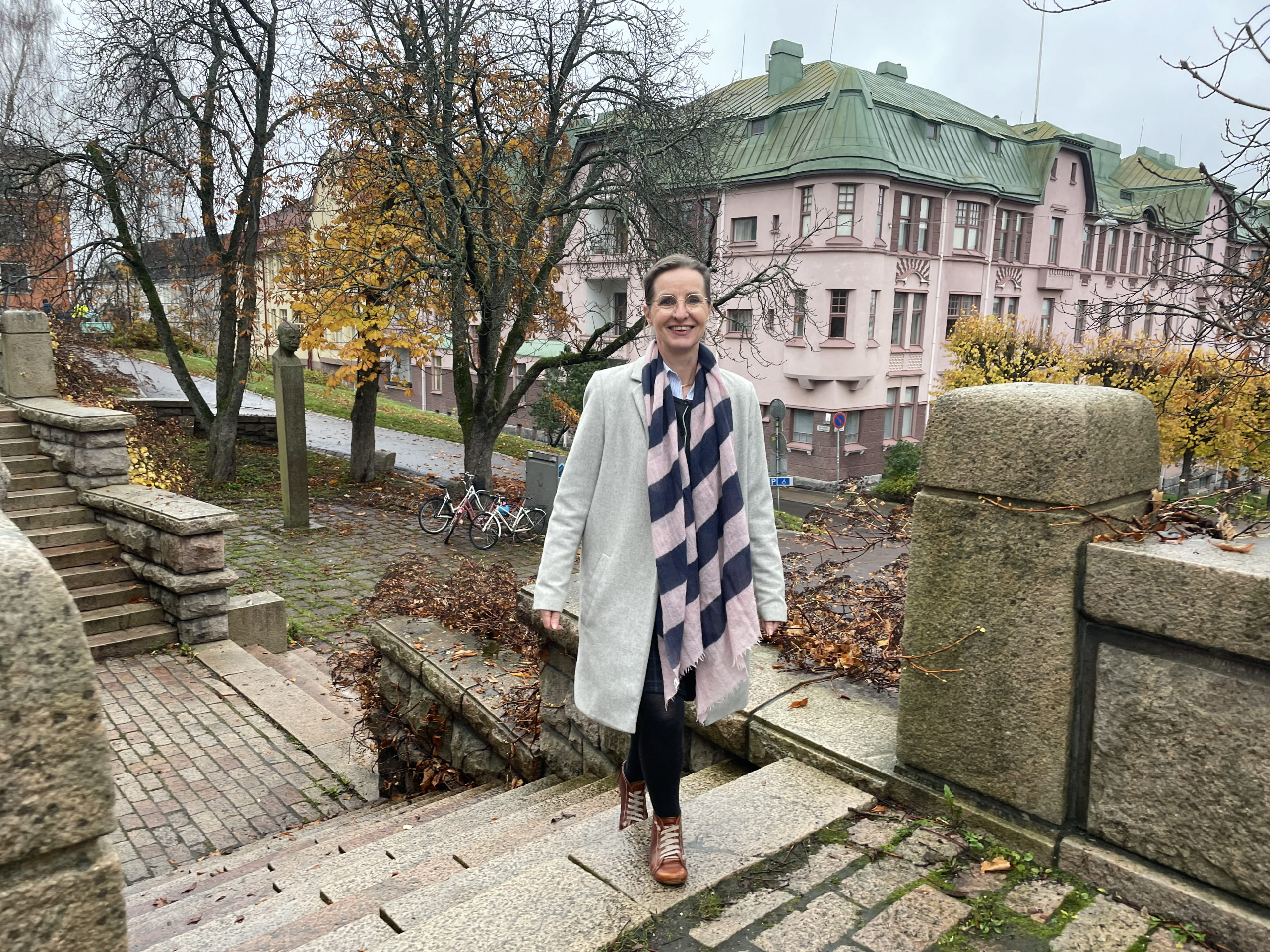
The same medicine can have different names in different countries. How can healthcare professionals find the medication safety information they need using local brand names and their own language?
Leea Riissanen helps make this possible. She is part of Medbase’s medical team, connecting information from different countries’ medicine registers to Medbase’s databases. She also works as a clinical pharmacist at Turku University Hospital, so she sees the value of that information in everyday patient care.
What do you do at Medbase, and how does your work help users?
– I work on drug mapping. In practice, this means matching medicines in different countries’ registers with the information in Medbase’s medication databases. Brand names and available products vary between countries, but we need to identify the right active ingredient and connect it to the relevant information.
My work helps people use Medbase’s medication safety information with local medicine names, in different countries and in the languages we offer. When healthcare professionals review a patient’s medication, they are working with medicines and brand names used in their own country. They should be able to go straight from those names to the information they need, without having to find out what the same medicine is called elsewhere.
“At the hospital, I see how much it matters to find the right information when you need it. At Medbase, I help make that possible. It feels good to see how my work helps other healthcare professionals care for their patients.”
What does your work involve in practice, and what requires particular care?
– I go through information from national medicine registers and match it with Medbase’s databases. For example, I check which active ingredient a product contains and make sure it is linked to the right information. A similar name alone does not mean it is the same medicine. We also need to look carefully at its strength and the form in which it is given.
There is also ongoing maintenance. New medicines come onto the market, and information in the registers changes. We add and update information to keep up with changes in the medicines available locally. This work often goes unseen by users, but its purpose is very practical: the right information needs to be linked to the right medicine.
You also work in a hospital. How do your two roles connect?
– I have been at Medbase for around a year and a half, working here a few days a week. Alongside that, I work as a clinical pharmacist at Turku University Hospital, where I use Medbase’s medication safety information every day.
At the hospital, I see the situations in which information is needed and how important it is to find it easily. At Medbase, I get to help make that information available. It is rewarding to see both sides.
I also take part in the medical team’s wider development work, including medical device development. I bring a practical user’s perspective to the discussions: can we find the information we need, is it easy to understand, and how does it support healthcare professionals during their working day? When you use the information yourself in patient care, even the small details take on a very practical meaning.
What do you enjoy when you are not at work?
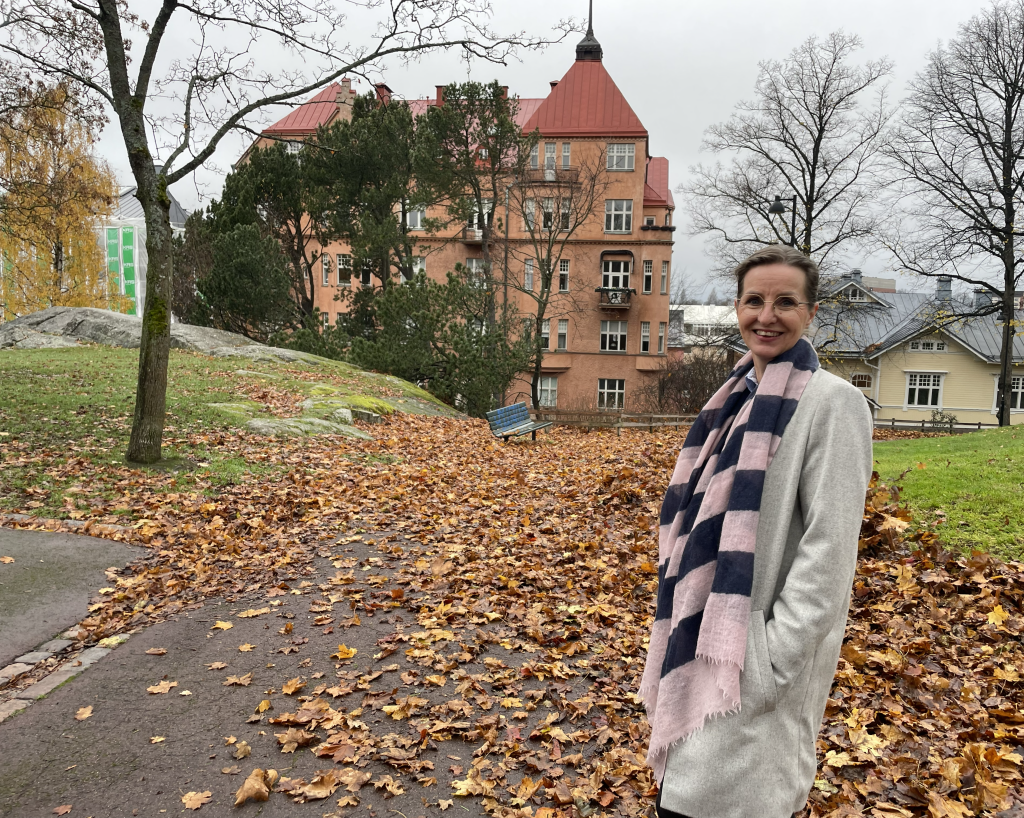
– In my free time, I enjoy yoga and walks with my dog. Yoga gives me a chance to focus on the moment, and daily walks bring fresh air and time outdoors. Both provide a lovely balance to work that requires care and concentration.